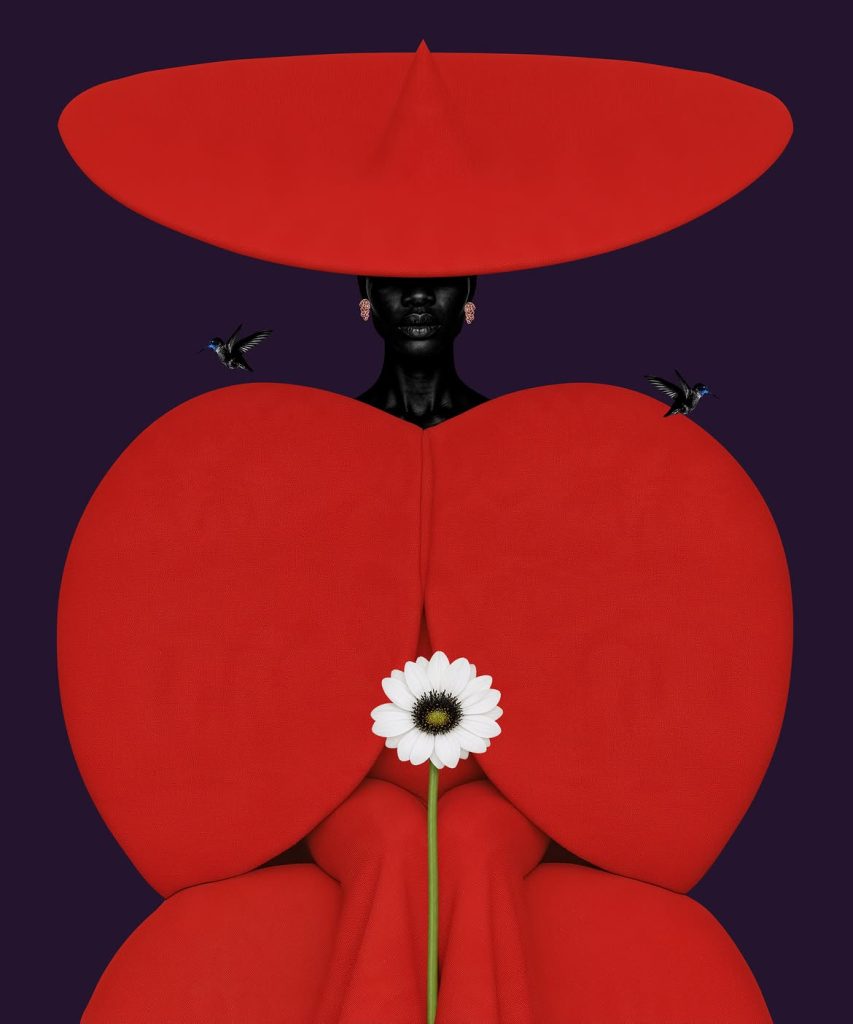
Why do we find it so difficult to believe that someone can create something beautiful without being a beautiful person?
Perhaps, it is because we rarely experience art without wondering about the person behind it. We rush to google the name of the actor(s) that delivered a breathtaking performance in a movie; We want to know who wrote the song that moved us, who painted the work we cannot stop looking at, who wrote the book that changed something in us and somewhere along the way, we begin connecting the work to the person who made it.
We expect the beauty of the work to tell us something about the person.
But does it?
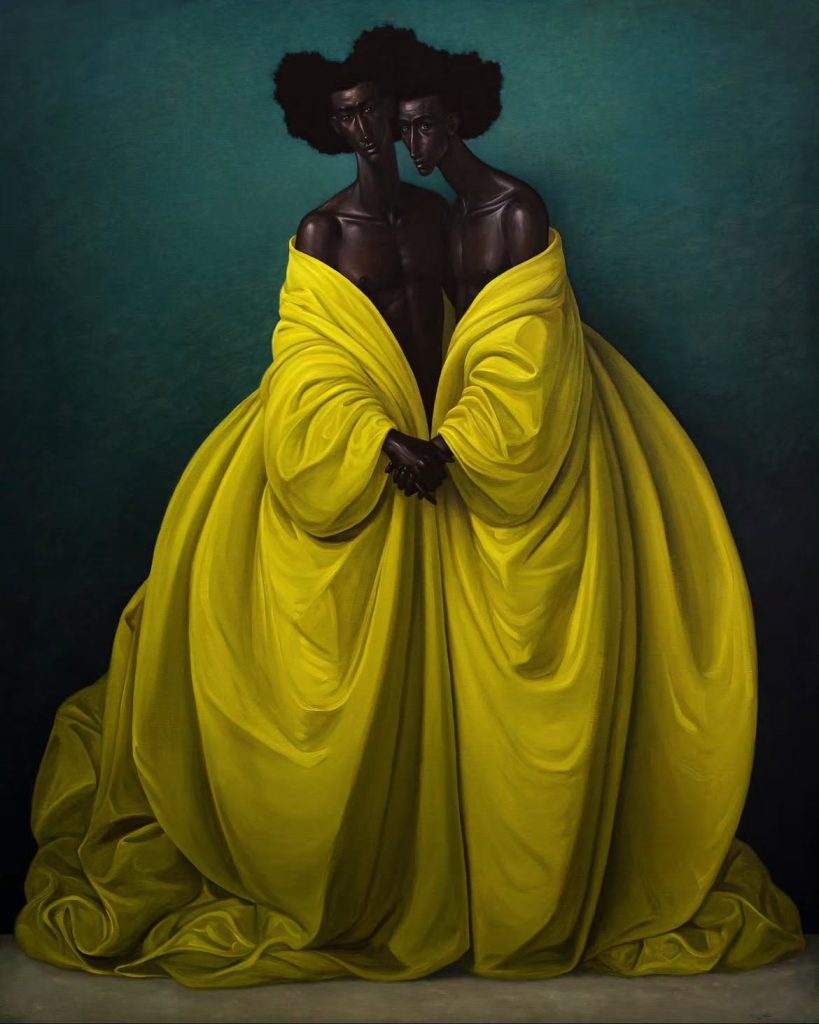
The Character Is Not the Actor
Nollywood gives us an easy place to begin.
For years, Patience Ozokwor, popularly known as Mama G, was associated with wicked mothers, intimidating women, and other characters audiences loved to hate. Her performances were convincing enough that the distinction between the woman and the characters she played sometimes became blurred. But Mama G was not the women she played and that seems obvious when we say it out loud.
Yet audiences do this all the time. We watch an actor play a particular kind of character for long enough or well enough and begin attaching the character’s personality to the person. The same thing happens outside acting. We read a disturbing novel and wonder what kind of person could have imagined it. We hear an angry song and assume the musician must be angry. We see an artist repeatedly exploring darkness and begin looking for darkness in the artist too. Sometimes we forget that imagination is not confession.
An artist can create something they have never personally experienced. They combine deep observation with imagination and they can inhabit a perspective they do not share. They can make something frightening without being frightening themselves. So the first meaning of separating the artist from the art may simply be this:
Do not assume that everything an artist creates is a direct representation of who they are.
But that is only the easy part.
What If the Art Comes From the Artist’s Life?
The situation changes when the work is personal.
A writer may draw from their own relationships. A musician may turn their experiences into songs. An artist may use their history, beliefs or identity as the foundation for their work. In these cases, the person behind the work is not completely absent from it. They may not be the work but they are part of its context. This is where the idea of separation becomes less straightforward because knowing something about an artist can change the questions we bring to their work.
A painting may make us think differently once we know what inspired it. A novel may read differently when we understand the author’s worldview. A song may feel different when we discover that the story behind it was not quite what we imagined. The artwork itself has not changed. What has changed is what we know about it, and sometimes that is enough to change the experience.
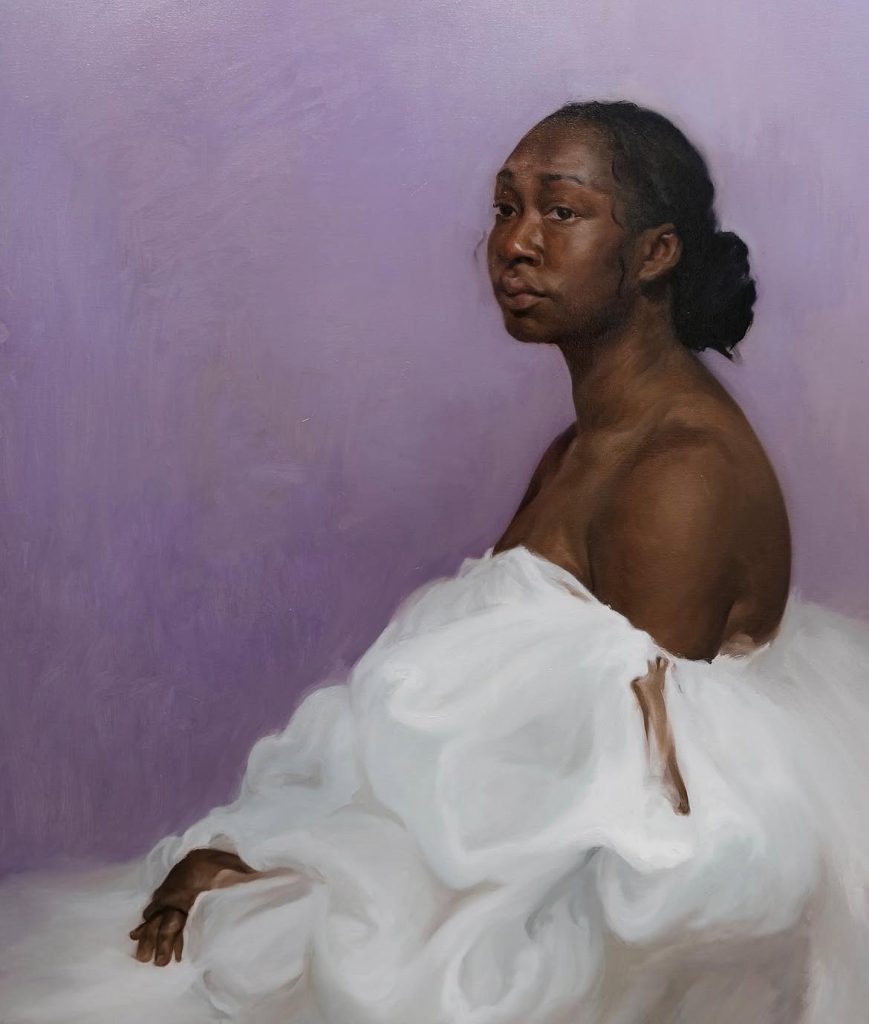
So, Does the Artist Matter?
This is where the debate becomes more complicated. Imagine discovering that an artist whose work you admire has behaved in a way you strongly disagree with. Do you continue to appreciate the work? Can you acknowledge the artistic value of the work without celebrating its creator? These questions are often treated as though there must be one correct answer but perhaps there isn’t.
There is a difference between appreciating a work and admiring the person who created it. We can recognise that a painting is historically significant without approving of everything its artist believed. We can acknowledge that a book is beautifully written without agreeing with its author’s worldview. We can study a musician’s influence without treating their personal life as something to celebrate.
Separating the artist from the art, then, does not necessarily mean protecting the artist from criticism. It can mean allowing the work to be examined on its own terms. But separation does not mean excusing either. The distinction matters because an artist’s behaviour can still affect how we choose to engage with their work and it can matter to an audience deciding whether they still want to support, purchase or publicly celebrate that person’s work.
Perhaps one reason this debate never seems to end is that people experience art differently. One person can learn something troubling about an artist and still return to their work. Another person may find that the knowledge changes the relationship completely. Someone may continue reading an author’s books but stop recommending them. Someone else may decide that they no longer want to engage with the work at all. Neither response changes what the artwork is.
It tells us something about the relationship between the artwork and the person experiencing it because art does not only belong to the person who created it. Once it enters the world, people interpret it through their own experiences, knowledge and values. That does not erase the artist but it does mean the artist cannot completely control what the work comes to mean.
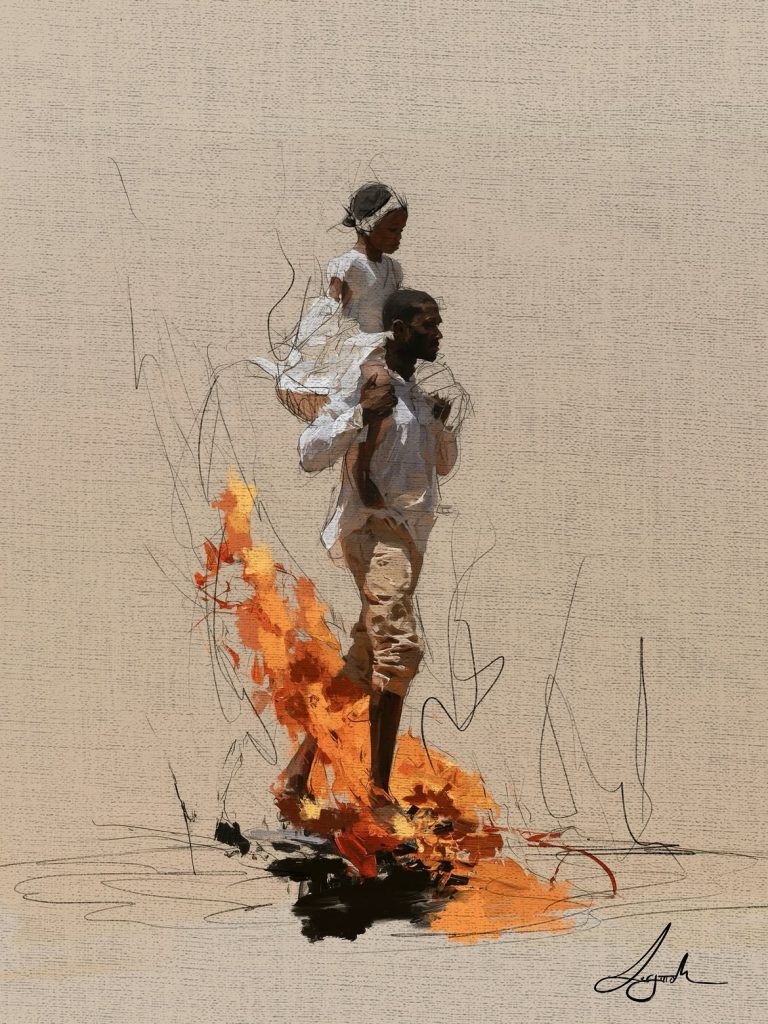
So, What Does It Mean to Separate the Artist From the Art?
Maybe it means learning to not take the artist as the only way we understand the work. It means recognising that a character is not necessarily the actor who plays them and that imagination is not always confession. It means recognising that artistic value and personal character are not automatically the same measurement. But it can also mean accepting that sometimes the artist is part of the context.
We don’t have to pretend otherwise. We can acknowledge what a work has contributed without turning its creator into a hero. We can understand an artist without excusing them and we can decide that what we know about an artist changes our own relationship with their work. Perhaps separating the artist from the art was never supposed to mean completely pulling the two apart.
Perhaps it means knowing where one ends and the other begins and then deciding, with that knowledge, how we want to look.
Copyright of all presented artworks remains entirely with their respective creators