For a long time, fine art and commercial culture have been treated as two different worlds. Fine art is often associated with galleries, museums, collectors and exhibitions, while commercial culture is linked to fashion, advertising, streetwear and popular trends.
Today, the boundary between them is increasingly blurred. Art appears on sneakers, handbags and everyday objects, while artists collaborate with major brands and their images circulate widely online. An artwork once displayed in a gallery can now reach millions through a clothing collection or a viral post.
This raises an important question: when art enters the commercial world, does it lose some of its value, or gain the power to reach more people?
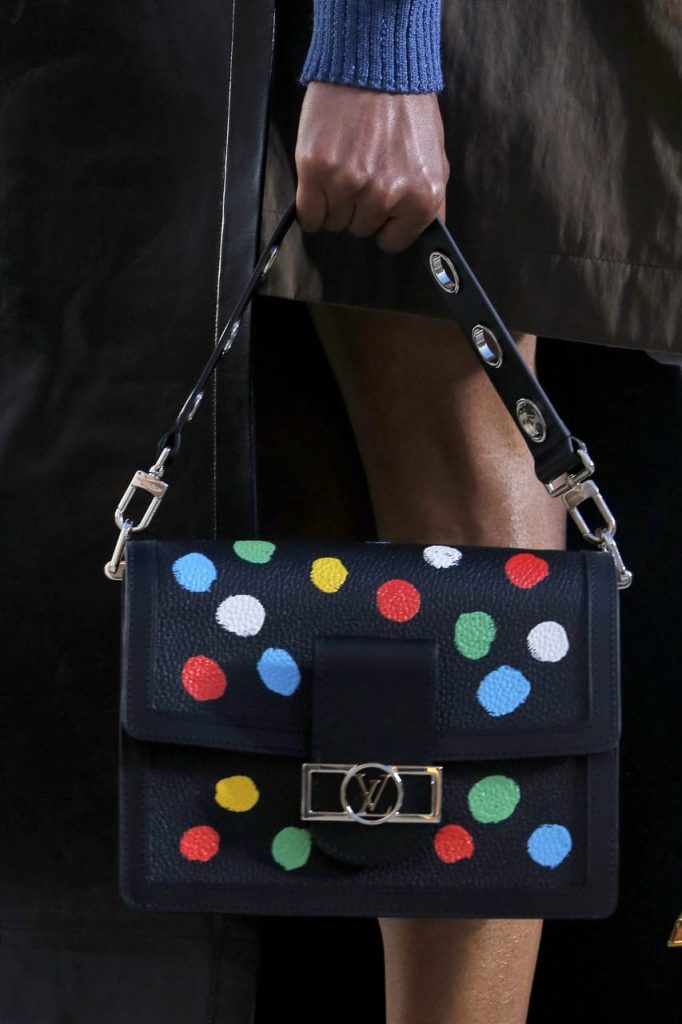
Art and fashion have always overlapped, but their relationship is now more visible. Yayoi Kusama’s partnership with Louis Vuitton began in 2012 and returned in 2023, bringing her signature dots to handbags, clothing, accessories and store installations.
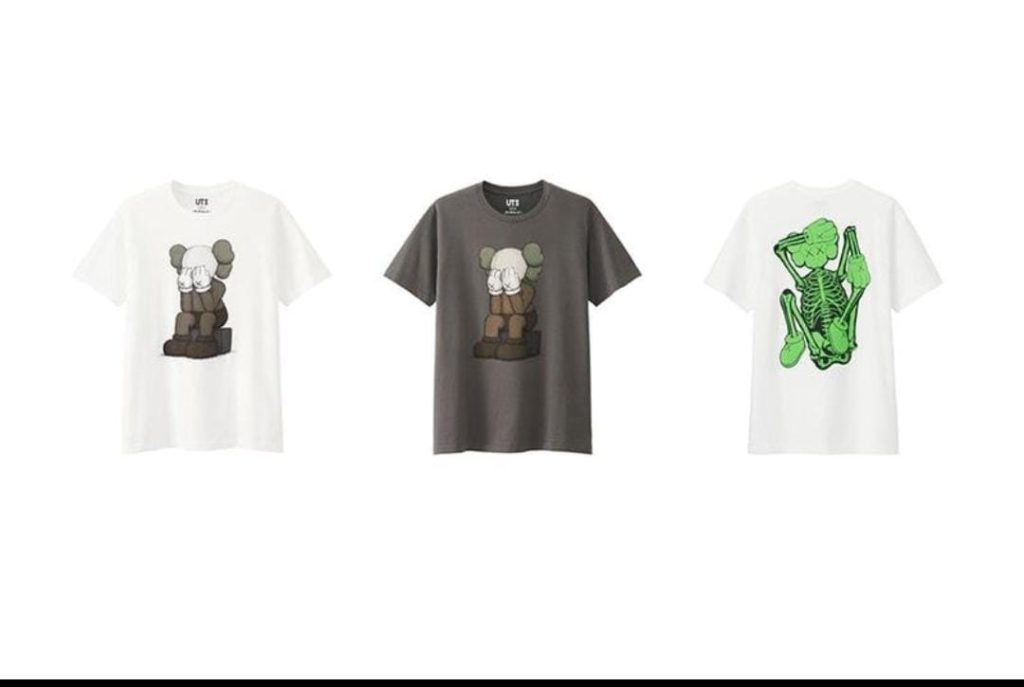
KAWS collaborated with Uniqlo’s UT line in 2016, making his imagery available on T-shirts at prices far below those of his paintings and sculptures.
Closer to home, Lagos-based artist Dennis Osadebe collaborated with Hermès on the Surfing Fan scarf 65 in 2023. The partnership marked his first venture into accessories, bringing his Neo-African visual language to one of the world’s most established luxury houses.

These collaborations introduce artists’ work to people who might never visit a gallery or purchase an original. But seeing an artwork on a product does not necessarily mean understanding the ideas behind it.
Someone who buys a T-shirt featuring an artist’s work might appreciate its design without knowing anything about the artist’s wider practice. Another person might discover the artist through that same T-shirt and go on to explore their paintings, exhibitions and ideas. The product can be either a standalone image or an entry point into a deeper engagement with the work.
Commercial collaborations also offer practical benefits. They can provide artists with additional income, expand their audiences and build recognition beyond the traditional art market as artists have always needed ways to fund their practices.
The concern is not simply that art is being sold. It is what happens when commercial demand begins to influence what an artist creates.
Kusama’s dots translate easily across products, but her practice explores ideas of infinity, perception and self. On a handbag, the pattern may be recognisable even when the ideas behind it are not. When a particular style sells well, brands and audiences may also expect an artist to keep producing similar work, leaving less room to experiment or move in a new direction.
This pressure contributes to the long-standing belief that art made for mass consumption is less serious than work presented in galleries and museums. However, commercial popularity does not automatically diminish an artist’s credibility. What matters is the quality of the work, the ideas it communicates and the artist’s ability to retain control over their creative decisions.
Artistic credibility should not depend on remaining separate from commerce. An artist can collaborate with a luxury brand and continue producing challenging work, just as selling affordable products does not prevent an artist from exhibiting in galleries.
The question of accessibility, however, requires closer examination.
A commercial collaboration can put an artist’s imagery in front of millions without making their work meaningfully accessible. A product may introduce people to an artist, but it does not necessarily open up the exhibitions, networks and opportunities that support an artistic career. A luxury collaboration might attract widespread attention while remaining affordable to only a small group of buyers.
It is therefore important to consider who benefits from these partnerships, how artists are compensated and whether the collaboration creates opportunities for deeper engagement with their work. Commercial culture can widen access while reinforcing existing inequalities within the art market.
Artists should not have to choose between commercial success and artistic credibility. What matters is whether a collaboration supports their practice, aligns with their vision and leaves room for experimentation. Earning from their work does not automatically make their art less meaningful.
Ultimately, the distinction is between making art accessible and making it merely consumable. A product can introduce people to an artist, but its value as an entry point depends on whether it encourages them to look beyond the image and engage with the ideas behind it.
Art does not lose its value simply by leaving the gallery. Its meaning changes as it enters new spaces and reaches new audiences. The question is what happens to that meaning along the way.