I am not entirely convinced that we are forgetting our culture. At least, not in the way we usually describe it.
Every few months, there seems to be a new conversation about Africans losing touch with their roots. Someone points out that young people no longer speak their mother tongue. Someone else talks about traditional clothing only coming out for special occasions. There is always another reminder that we are becoming too Western, too modern or too disconnected.
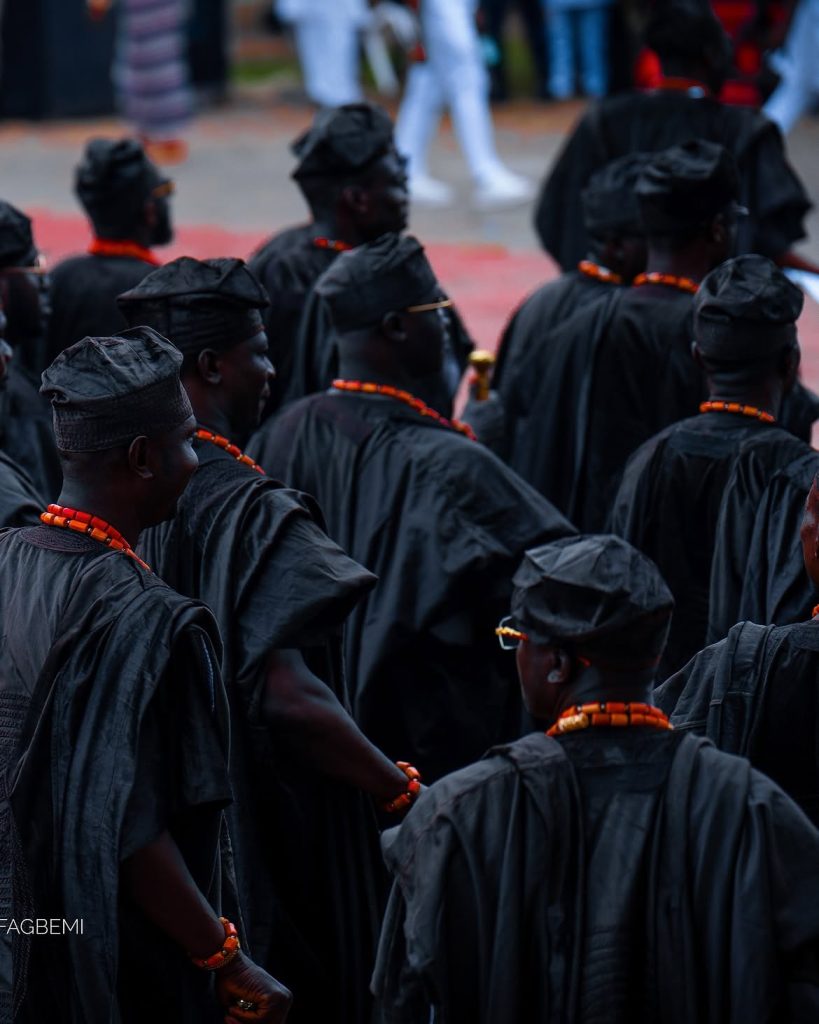
But at the same time that we are supposedly forgetting our culture, African culture is everywhere. It is in music, fashion, film, food, photography, interior design and contemporary art. Traditional patterns appear in new collections. Indigenous foods are finding their way into restaurants and new menus. Old symbols are being reinterpreted by designers and artists. We clearly have not stopped looking at our culture. So what exactly are we forgetting?
And perhaps more importantly, why does it feel like we are?
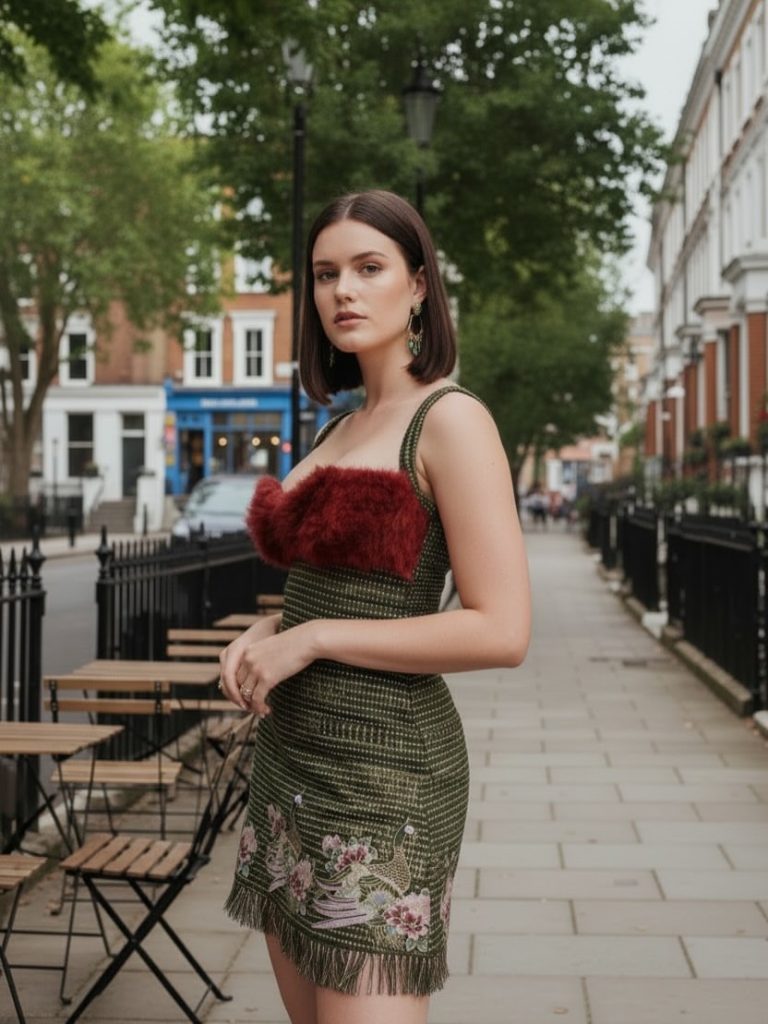
Maybe the issue is not that we have abandoned our culture. Maybe we have become selective about which parts of it we want to carry forward. Some parts fit easily into the present—Music can be modernised, fashion can be redesigned, food can be repackaged and traditional symbols can become visual references in contemporary work. But the stories that require someone to sit down and tell them, the knowledge that lives in people’s memories, the customs that need to be understood within the communities they came from and the practices that cannot easily be turned into something visually appealing or commercially useful; those may be less convenient to carry forward. And so it feels like we’re abandoning our culture because those less visible parts carry the intelligence that form the geist embodied by the visible parts.
This makes me question what we really mean when we say we are preserving culture. We often talk about culture as though every generation simply chooses what to keep and what to discard but our choices are influenced by the world around us: What is taught at home, at school, what society considers valuable, what gets mocked, celebrated, documented and what gets forgotten because nobody thought it was important enough to record.
This is where the conversation becomes more complicated. If a young person grows up knowing that their traditional language is something to speak only with older relatives, what happens when those relatives are no longer around? If a cultural practice is constantly described as old-fashioned, how likely is the next generation to invest time in learning it? If the only parts of a culture that receive attention are the parts that look good, what happens to everything else?
We Like Culture More When It Looks Good
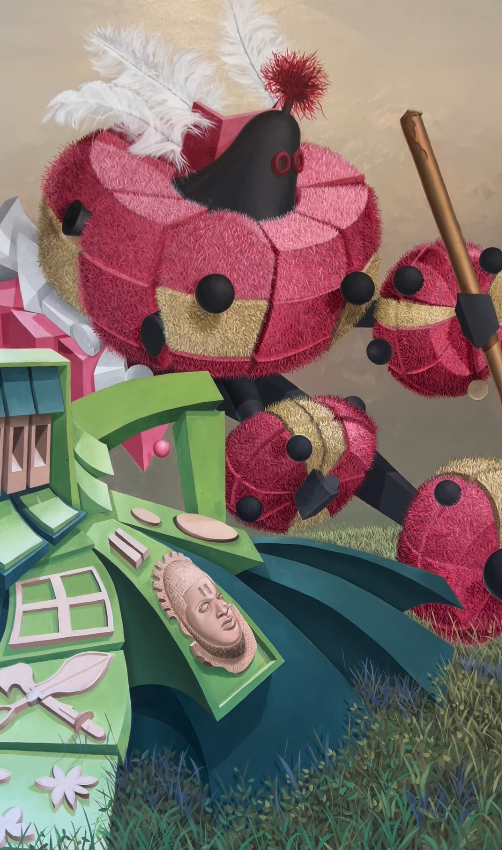
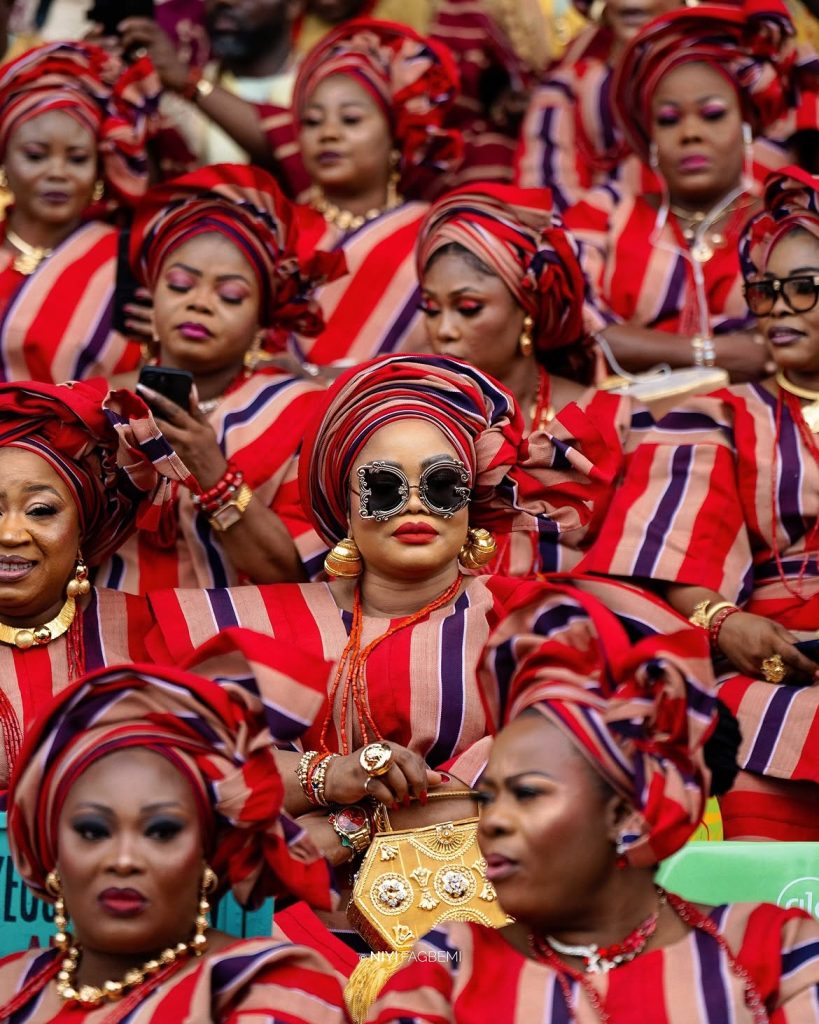
I think this is something else worth examining. We have become very good at celebrating the aesthetic parts of culture. The fabric, beads, architecture, food, hairstyles, symbols and even the art. Don’t get me wrong. There is nothing wrong with celebrating beauty but culture is more than what can be photographed. It also exists in knowledge, values, memory, relationships and ways of understanding the world. Those things are harder to package. This is one reason I find the role of artists particularly interesting.
Artists can take something we have become accustomed to seeing and make us look at it differently. A painting can make us reconsider an object we thought we understood. A photograph can preserve a moment that might otherwise become a distant memory. An artist can return to a story, material, symbol or tradition and ask questions that reveal something beneath its surface but that only works when the artist has actually taken the time to understand what they are engaging with.
What Does It Mean to Represent a Culture?
This connects directly to A Thing For Art edition 8 where we examined the artist’s responsibility in preserving cultural heritage. One of the questions we explored was what happens when an artist attempts to translate culture without first taking the time to properly understand it. That question feels relevant here too because being part of a culture does not automatically mean we understand all of it. An artist can grow up surrounded by a particular tradition and still know very little about its history. They can recognise a symbol without knowing its meaning or use a traditional technique without understanding why it developed. They can recreate an image of culture without necessarily engaging with the ideas behind it.
And this is where the artist’s role becomes interesting because the artist has the opportunity to go further—to research, question and look beneath what is immediately visible. Not simply to reproduce what already exists, but to understand it well enough to interpret it in a way that gives the audience something to think about. In doing so, the artist may preserve something that was not immediately visible in the first place: context.
Maybe Modernity Isn’t the Enemy
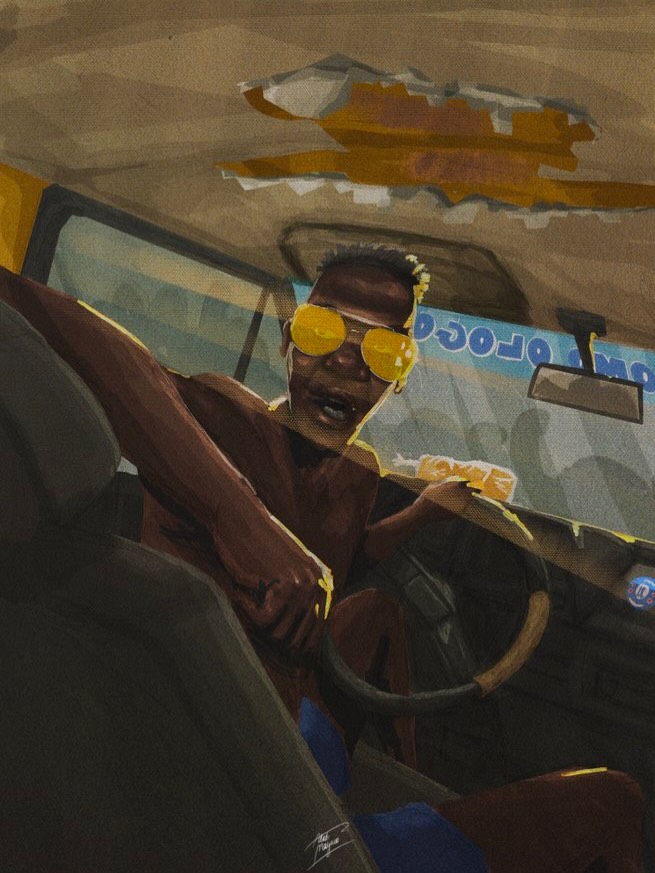
I also don’t think the answer is to become suspicious of everything modern. There is a tendency to romanticise the past whenever we talk about cultural loss. But our ancestors were not trying to live in the past either. They adapted. They encountered new ideas, technologies, religions, people and ways of living. They made choices that changed the cultures they inherited.
We are doing the same thing.
The difference is that our changes are happening much faster and are being recorded, shared and influenced on a scale previous generations could not have imagined. So perhaps the question is not whether we are becoming too modern. Perhaps it is whether we are paying enough attention to what modern life is changing.
What are we choosing to leave behind? What are we transforming? What are we keeping because we understand its value? And what are we abandoning simply because we no longer understand it?
What Happens If Nobody Notices?
Perhaps the most unsettling thing about cultural loss is that there may be no dramatic moment when it happens and eventually, something that was once ordinary becomes something we have to search for in an archive, a museum or an old photograph. That is why artists matter. They can notice what we have stopped noticing. They can return to histories we have overlooked. They can question things we have accepted without thinking about them or give forgotten knowledge another form and, sometimes, another chance to be encountered.
But artists cannot do this alone.
Culture does not belong only in galleries or museums. It lives in homes, languages, names, food, stories, rituals, photographs and everyday choices.
So, Are We Forgetting Our Culture?
Maybe. But that might not be the most useful question anymore.
The more interesting one is why some things survive while others disappear; why certain traditions get celebrated while others are left to fade, and why it sometimes takes an artist, a filmmaker, a writer or a researcher to point our attention back to something that was already ours. Cultural preservation probably isn’t about keeping everything exactly as it was. It’s about knowing what we inherited well enough to recognise the choices we’re making with it now. Culture will keep changing regardless. The real question is whether we’re paying close enough attention to know what we’re carrying forward, what we’re setting down, and why.