In a previous edition of this newsletter, I argued that the purpose of any art practice should be to pick a subject, investigate and present the multiple dimensions of it through tangible mediums it can be interacted with and this is something Chikosolu Efobi seems to be getting right. She has spent years watching people the way some people watch weather, not for judgment but for pattern, and what that obsession has taught her is the paradox sitting at the center of it: you study people to learn how to be one, and the studying is exactly what keeps you from becoming your own person. Still, there is no opting out of it. A person alone doesn’t reinforce anything. It’s the group that teaches you what you are, even as it teaches you to disappear into it.
What she kept coming back to, watching that long, was how people affect the life around them and are affected right back in the same breath, without ever quite noticing the exchange taking place. Her whole artistic philosophy sits inside that noticing. It is an attempt to understand what we are and then to accept it, in that order, because acceptance without understanding is just resignation wearing a nicer coat. To her, creativity (art) is an opportunity for consciousness to come up for air, which perhaps is why art and survival will always be at war with each other. Survival doesn’t know what to do with a thing that refuses to be useful, and art has never known how to apologize for not being needed.
In her attempt to understand how to be a person in our times, she has observed that a war is currently being waged on expression. We stopped expressing ourselves and started outsourcing the job to content creators, lifestyle influencers, and media figures. We’ve learnt to shift the responsibility of being our unfinished selves to these figures we now idolize as a mirror for our [personal] expression because expressing something imperfectly in public feels worse than not expressing it at all.
There’s a version of this that sounds almost generous, a market forming around a real need. The influencer takes on the risk of being seen trying, the way a fund manager takes on the risk of being wrong with other people’s money, and gets compensated the same way for carrying it. Somebody has to hold the exposure, so they might as well be paid for it.
But watch what happens after the trade is made. We become herds in agreement and mugus alone. Collectively, we know exactly what these figures owe us, and we say so loudly whenever they fall short of the selves we contracted them to perform. Individually, faced with the same choices — say the true thing, make the ugly object, risk being seen before being good — we go quiet, because we have no idea what to do with our own exposure. We just know how to price everyone else’s.
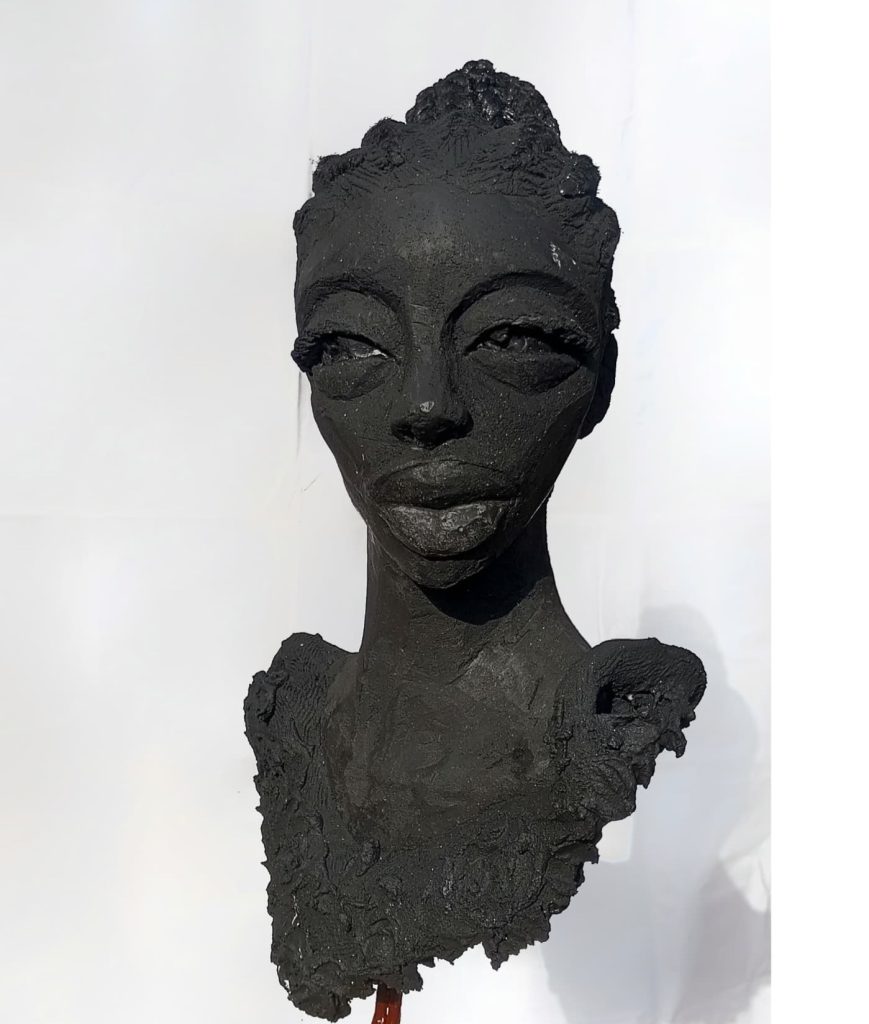
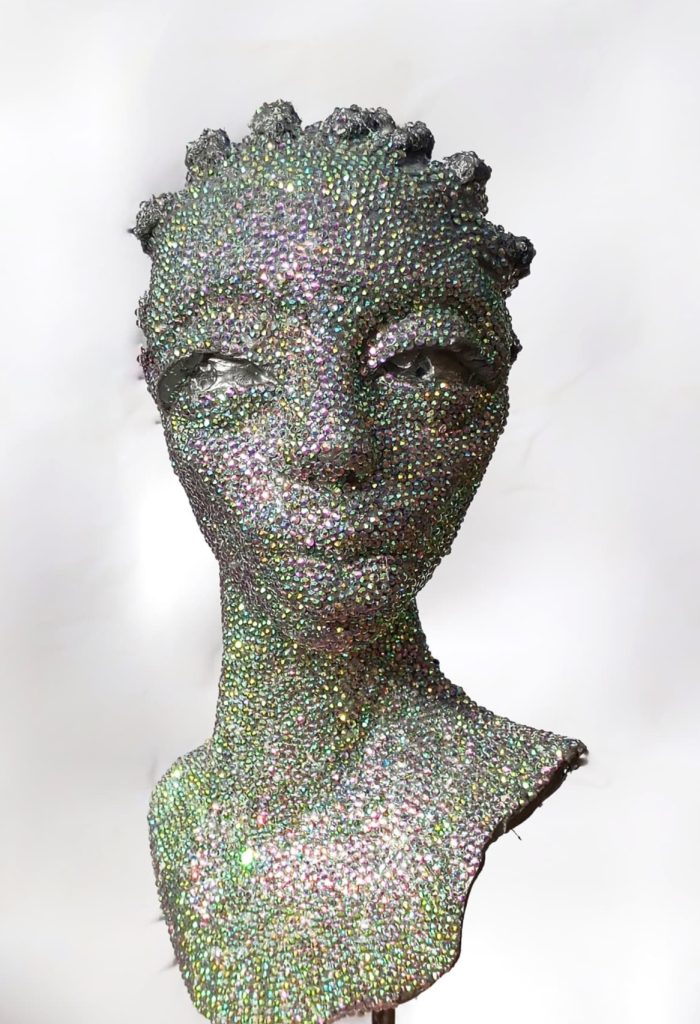
This is the condition her work sits inside of, not a comment on it but a relic of it. She wants her art to hold everything we’ve been — traditionally, emotionally, spiritually — from whatever we were before until whatever we’re becoming now, and she is after the residue of that, not the polished account of it.
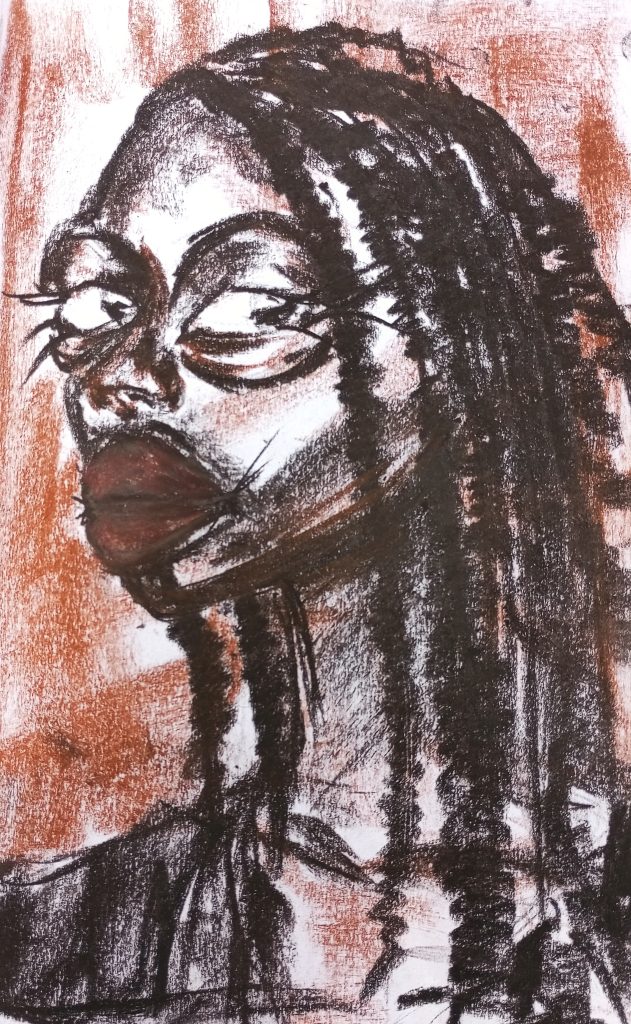
Which is why the realism stops here. African artistic philosophy already made this decision generations ago, and she is picking the thread back up: African artistic philosophy decenters realistic art because it believes we do not need a mirror. That is a distraction that appeals to the ego. Rather than keeping you fixed on the surface precisely so you never have to go past it, Her mediums and style moves toward abstraction instead, not to obscure but to get underneath the beauty question entirely, down to whatever is left of us once the ego stops asking to be flattered. The materiality carries the argument on its own terms. The old masters left off somewhere, and she picked up the thread beyond just the style — the feeling, translated into a form that has never necessarily cared about performance. When we move past the ego, we can look beyond the ephemeral connotations of beauty, and deep into ourselves to see the true essence of what makes us human beings.